
The energy generation landscape is undergoing a profound transformation. Driven by ambitious sustainability targets and the urgent need to decarbonise, renewable energy parks – solar farms and wind turbine arrays – are becoming increasingly prevalent across the UK. These vital assets, often located in remote and exposed environments, represent significant investments and play a crucial role in our energy future. Ensuring their long-term security, operational efficiency, and compliance with stringent regulations requires robust, reliable perimeter protection.
At Topan, we understand the unique challenges and critical requirements of securing renewable energy infrastructure. With decades of experience providing high-performance fencing solutions for a wide range of demanding applications, we are ideally positioned to partner with major energy companies and contractors to safeguard these invaluable assets. This blog delves into the essential considerations for fencing renewable energy parks, highlighting factors that underpin adequate security and operational management.
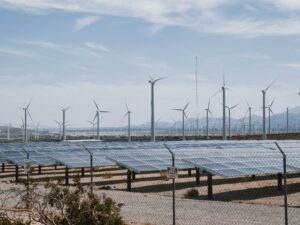
Why Fencing Is Paramount for Renewable Energy Parks
Fencing for renewable energy parks transcends the simple act of marking a boundary. It has a multifaceted purpose, directly impacting the safety, security and operational integrity of these sites. Key benefits include:
- Enhanced Security: Deterring unauthorised access, vandalism, and theft of valuable equipment (solar panels, inverters, transformers, cabling) is paramount. Robust fencing acts as a critical first line of defence against criminal activity, minimising potential financial losses and operational disruptions.
- Safety and Public Protection: Renewable energy sites often contain high-voltage elements and operational equipment. Secure fencing prevents accidental access by the public, livestock and wildlife, mitigating the risk of injury or fatality and ensuring compliance with health and safety regulations.
- Operational Efficiency: Clearly defined and secure perimeters facilitate efficient site management, access maintenance and emergency response. Controlled entry points and secure zones streamline operational workflows and minimise delays.
- Environmental Protection: Fencing can help mitigate environmental impacts by controlling access to sensitive ecological areas within or surrounding the installation, preventing disturbance to wildlife habitats, and ensuring compliance with environmental regulations.
- Regulatory Compliance: Energy companies are subject to stringent security and safety regulations. Implementing appropriate fencing solutions is often a mandatory requirement for obtaining permits and ensuring ongoing compliance.
- Insurance Requirements: Adequate security measures, including robust fencing, can be a prerequisite for obtaining comprehensive insurance coverage for renewable energy assets.
- Visual Deterrent: A well-constructed and imposing fence line is a significant visual deterrent to potential intruders, reducing the likelihood of security breaches.
Check our Fraddon Solar Park case study
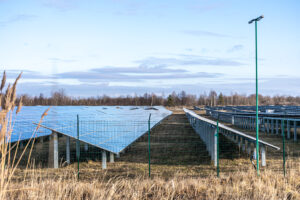
Key Considerations for Renewable Energy Park Fencing
Specifying the appropriate fencing solution for a renewable energy park requires careful consideration of various factors. A one-size-fits-all approach is rarely practical, feasible and a thorough understanding of site-specific risks and requirements is essential.
- Security Risk Assessment
The starting point for any fencing specification should be a comprehensive security risk assessment. This assessment will identify potential threats, vulnerabilities, and the criticality of protected assets. Factors to consider include:
- Location and Terrain: Remote and/or easily accessible locations may require higher security fencing. Uneven terrain and ground conditions will influence the choice of fencing system and installation methods.
- Proximity to Infrastructure and Population Centres: Sites near public access points or major infrastructure may be at higher risk of vandalism or theft.
- Value of Assets: The value of the equipment will influence the level of security required.
- Environmental Activism: Sites perceived as controversial may be targeted by protest groups.
- Security Incidents: Incidents in the area or at similar sites should inform the risk assessment.
- Fencing System Selection
Based on the risk assessment, the appropriate fencing system can be selected. Several high-performance options are well-suited for renewable energy parks:
- Deer Fence: This type of fence is usually 6-8 feet tall and constructed from durable materials like woven wire or high-tensile mesh and is essential to protect infrastructures from costly damage caused by deer or other wildlife. It also enhances site security and can be designed with wildlife considerations.
- High Security Palisade Fencing: A robust and highly effective deterrent, palisade fencing offers excellent resistance to climbing and forced entry. Options include various profiles (W-section, D-section), heights and security toppings (spikes, razor wire – subject to planning and safety considerations). Its inherent strength and visibility make it a popular choice for critical infrastructure.
- Welded Mesh Panel Fencing (Security Mesh): Offering a balance of security and visibility, welded mesh panel systems with small apertures are highly resistant to cutting and climbing. Various wire diameters and mesh configurations are available to meet specific security requirements. These systems can be integrated with electronic detection systems for enhanced security.
- Chain Link Fencing (with Security Enhancements): Whilst a more traditional option, chain link fencing can be significantly enhanced for security applications by using heavier-gauge wire, smaller mesh sizes, and security toppings. It offers a cost-effective solution for large perimeters, particularly when combined with other security measures.
- Electric Fencing: A highly effective deterrent, electric fencing delivers a non-lethal shock to intruders. It can be used as a standalone perimeter security solution or as an additional layer of protection alongside other fencing types. Careful design, installation and signage are crucial for safety and compliance.
- Anti-Climb and Anti-Cut Fencing: Specialised fencing systems designed with tightly woven mesh or closely spaced vertical wires offer exceptional resistance to climbing and cutting attempts. These are ideal for high-risk areas requiring maximum security.
Specifications on the design and minimum installation, under British Standards 1722 series, along with BS on manufacturing and treatment of material from galvanising and powder requirements, should be requested for the longevity of the installation. This suite of standards includes all systems mentioned above, including electrical security fencing.
Security requirements for the asset should be assessed and compared with the fence requirements, in conjunction with Loss Prevention Certification Board (LPS1175) testing.
All fences should be installed by a suitably qualified installer with FISS-CSCS cards and accreditation for the required application. The AFI is the only organisation that monitors and represents contractors who, under its code of practice, meet the requirements, with a certified contractors scheme covering all the above.
- Height and Design
The height of the fencing is a critical factor in deterring climbing. Higher fences provide a stronger physical barrier and increase the perceived risk to potential intruders. The design should also minimise potential handholds and footholds. Considerations include:
- Minimum Height: For effective security, a minimum height of 2.4 metres is often recommended, with higher fences (3 metres or more) specified for high-risk sites.
- Security Toppings: The addition of barbed wire, razor wire (where permitted and appropriately signposted), or rotating anti-climb devices can significantly enhance the deterrent effect. Planning regulations and safety assessments must be carefully considered before specifying these toppings.
- Buried or Extended Mesh: Burying the bottom of the fence or extending the mesh below ground level can prevent burrowing animals and deter attempts to lift or undermine the fence.
Planning permission is usually required for fencing over 2m and should therefore be factored into the project and the overall site delivery plan.
- Gates and Access Control
Gates are essential for site access but represent potential vulnerabilities. The selection and specification of gates are crucial for maintaining the integrity of the perimeter security:
- Gate Types: Options include swing, sliding, and bi-folding gates, each with its own advantages and disadvantages in terms of security, space requirements, and operational efficiency.
- Matching Security Level: Gates should match the security standard of the perimeter fencing.
- Locking Mechanisms: High-security locking mechanisms, such as heavy-duty padlocks, cylinder locks, or electromechanical locks, should be specified.
- Access Control Systems: Integrating gates with access control systems (e.g., keypads, card readers, biometric scanners) provides controlled entry and exit, enhancing security and accountability.
- Automation: Automated gates can improve operational efficiency and security, particularly for sites with high traffic volumes.
Security additions to gates should be to the required specification (e.g., locks) and rated to the required LPCB standards. If automated, the automation should be installed by a GateSafe- or DHF-qualified contractor with the suitable training and qualifications for certification of compliance.
- Integration with Other Security Systems
Fencing is most effective when integrated with other security measures to create a layered security approach. These may include:
- CCTV Surveillance: Strategically placed cameras provide visual monitoring of the perimeter and critical areas.
- Intruder Detection Systems (IDS): Technologies such as buried cables, fence-mounted sensors and microwave barriers can detect intrusion attempts and trigger alarms.
- Lighting: Adequate perimeter lighting enhances visibility for surveillance and acts as a deterrent.
- Security Personnel: On-site security personnel provide a physical presence and can respond to security incidents.
- Environmental Considerations and Sustainability
While security is paramount, environmental considerations are also increasingly important for renewable energy projects. Fencing specifications should consider:
- Impact on Environment: Considerate working methods, ecological survey, ground/habitat restoration and safe disposal of waste/spoil.
- Sustainability: Choice of sustainable, renewable, recycled materials. The longevity of materials is also important, so they are not replaced too often.
- Impact on Wildlife: Where necessary, fencing should be designed and installed to minimise impact on wildlife movement. This may involve incorporating wildlife gates or using specific mesh sizes.
- Material Selection: Sustainable, durable materials with long lifespans should be prioritised.
- Visual Impact: In sensitive landscapes, the visual impact of the fencing may need to be considered; options such as timber or green-coated fencing may be preferred (while ensuring security is not compromised).
- Installation and Maintenance
The quality of the installation is as important as the quality of the fencing materials. Proper installation ensures the long-term effectiveness and security of the system. Considerations include:
- Experienced Installers: Engaging experienced and reputable fencing contractors with expertise in high-security installations is essential.
- Ground Conditions: The ground conditions will influence the type of foundations and installation methods required.
- Regular Maintenance: A proactive maintenance schedule is vital to ensure the continued integrity and effectiveness of the fencing system. Regular inspections and prompt repairs are necessary to address any damage or wear and tear.
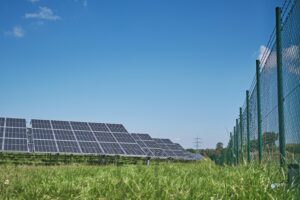
Topan: Your Trusted Partner in Securing Renewable Energy Futures
At Topan, we possess the expertise, experience and comprehensive range of high-performance fencing solutions to meet the demanding security requirements of renewable energy parks. We understand the critical importance of protecting these vital assets and are committed to providing tailored solutions that address each project’s specific risks and operational needs.
Our team of experienced professionals works closely with major energy companies and contractors, from the initial risk assessment stage through design and specification to expert installation and ongoing maintenance support. We offer:
- In-depth Consultation: We take the time to understand your unique security challenges and operational requirements.
- Bespoke Solutions: We design and specify fencing solutions tailored to your site and risk profile.
- High-Quality Materials: We utilise only the highest quality, durable materials from trusted manufacturers.
- Expert Installation: Our skilled installation teams ensure that your fencing system is installed to the highest standards, providing maximum security and longevity.
- Integration Capabilities: We can seamlessly integrate our fencing solutions with other security technologies.
- Ongoing Support: We provide support services to ensure the continued effectiveness of your perimeter security.
Securing renewable energy parks is not just about protecting infrastructure; it’s about safeguarding our investment in a sustainable future. By partnering with Topan, you can be confident that your valuable assets are protected by a robust, reliable and expertly installed fencing solution, allowing you to focus on delivering clean energy for future generations.
Need expert guidance? Topan Group is here to help. Contact us today to discuss your project and explore the best hoarding solutions tailored to your construction needs.
Don’t sit on the fence; contact us!